

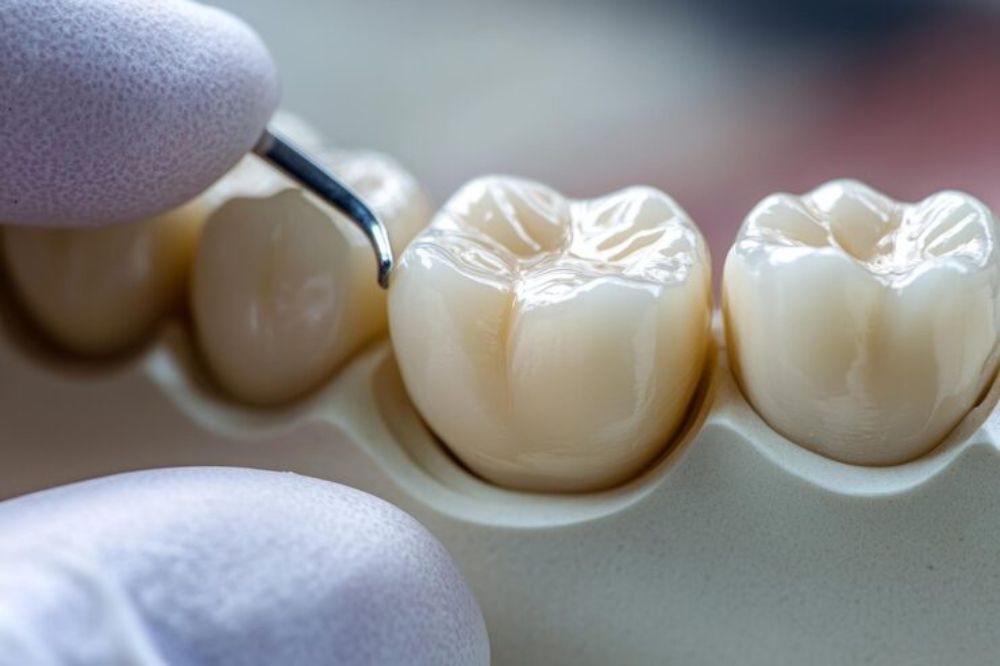
Tooth damage from cavities can worsen if left untreated. Composite fillings in Port Coquitlam can help restore damaged areas of a tooth and protect it from further decay. These tooth-coloured fillings repair cavities while helping maintain the natural appearance and strength of the smile.
Composite fillings do more than repair damaged areas. They seal the tooth after removing decay and help stop bacteria from causing more damage. Getting treatment early and taking good care of your teeth can help keep them healthy.
What Are Composite Fillings?
Composite fillings are dental restorations made from tooth-colored resin. They are used to repair teeth affected by cavities, small cracks, or minor damage.
Unlike older metal fillings, composite fillings are designed to blend with the natural shade of teeth. This makes them a popular choice for restoring visible areas of the smile.
Composite fillings can help:
- Restore the shape of damaged teeth.
- Protect weakened areas
- Improve the appearance of the smile.
- Support normal chewing function.
How Do Composite Fillings Help Prevent Future Tooth Damage?
When a cavity develops, bacteria can continue damaging the tooth if the affected area is not treated. A composite filling removes the damaged portion and closes the space where bacteria can collect.
The filling helps by:
- Blocking bacteria from entering the tooth
- Preventing the cavity from becoming larger
- Strengthening areas weakened by decay
- Reducing the risk of additional damage
If you are looking for composite fillings near you, timely treatment can help protect your natural teeth and prevent the need for more complex care.
What Causes the Need for Composite Fillings?
Tooth decay is a common reason why a filling may be needed. It happens when bacteria in the mouth create acids that damage the tooth.
Common causes include:
- Not brushing or flossing properly.
- Eating or drinking too much sugar
- Plaque buildup on teeth
- Dry mouth
- Missing regular dental checkups
Small cavities may not cause pain at first, so regular dental visits can help find problems early.
Can Composite Fillings Stop Cavities From Coming Back?
Composite fillings repair existing damage, but they do not prevent new cavities from forming. Maintaining good oral habits is still necessary after treatment.
Ways to protect teeth after a filling include:
- Brushing twice daily
- Flossing regularly
- Limiting sugary snacks
- Drinking enough water
- Scheduling routine dental visits
A filling works best when combined with proper daily care.
What Happens During a Composite Filling Procedure?
A composite filling procedure is usually completed in a few simple steps.
The process may include:
- Examining the affected tooth
- Removing the damaged portion
- Cleaning the area
- Applying the composite material
- Shaping and hardening the filling
- Checking the bite for comfort
The goal is to restore the tooth while keeping as much healthy structure as possible.
Why Are Composite Fillings a Popular Choice?
Many patients choose composite fillings because they look like natural teeth and help fix damaged areas.
Benefits may include:
- A natural-looking appearance
- Matching the colour of your teeth
- Helping support weak teeth
- Less noticeable fillings
- Treating different types of cavities
A dentist in Port Coquitlam can check your teeth and advise on whether composite fillings are a good choice for your dental needs.
How Can Composite Fillings Protect Natural Teeth?
Preserving natural teeth is an important part of maintaining long-term oral health. When cavities are treated early, fillings can help avoid more complex procedures.
Composite fillings may help protect teeth by:
- Stopping decay from spreading further
- Reducing the chance of tooth weakening
- Maintaining tooth structure
- Restoring normal tooth function
Early treatment can make it easier to manage dental concerns before they become more serious.
What Signs May Mean a Filling Is Needed?
A dental evaluation may be needed if there are signs of tooth damage.
Common warning signs include:
- Tooth sensitivity
- Pain when chewing
- Visible dark spots
- Food is getting stuck in certain areas.
- A rough or damaged tooth surface
Some cavities do not cause pain, so regular dental examinations are important for early detection.
How Do You Care for Teeth After Composite Fillings?
Taking good care of your teeth can help your filling last longer.
Helpful habits include:
- Avoid placing excessive pressure on the filled tooth.
- Brush and floss daily
- Visit a dentist near you regularly.
- Tell your dentist if you notice pain or sensitivity.
Good care helps keep the filling and tooth healthy.
Protect Your Smile With Trusted Dental Care!
Composite fillings help repair damaged teeth and protect them from further problems. Getting treatment early and taking good care of your teeth can help keep your smile healthy. Schedule an appointment today for dental care and support with On Track Dental.
FAQs
Are composite fillings better than leaving a cavity untreated?
Yes. Leaving a cavity untreated allows decay to continue spreading, which may lead to more serious tooth problems.
How long do composite fillings last?
Composite fillings can last for many years with good oral care and regular dental checkups. Their lifespan depends on the size of the filling and how well you care for your teeth.
Are composite fillings safe for teeth?
Yes. Composite fillings are a safe and common way to repair teeth affected by cavities and protect them from further damage.
Can composite fillings repair a broken tooth?
Composite fillings may repair small chips or minor damage. More extensive damage may require alternative treatment options, depending on the tooth’s condition.