
Losing a tooth changes more than your smile. It changes how you eat. You start avoiding certain foods — things that are chewy, crunchy, or hard — because chewing feels uncomfortable or uneven. You might unconsciously shift all your chewing to one side of your mouth without even realizing it.
Dental bridges in Port Coquitlam offer a reliable, natural-looking solution that restores your ability to chew comfortably—and gives you back the confidence to eat without thinking twice about it.
What Is a Dental Bridge?
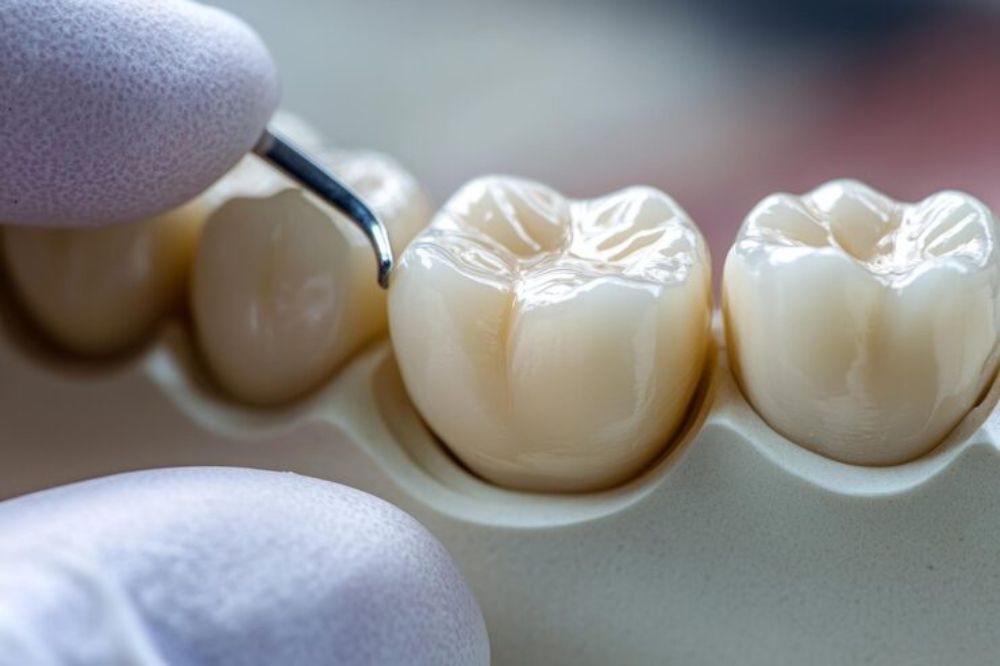
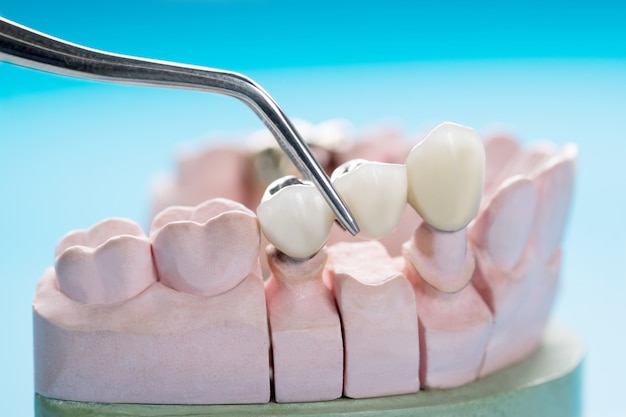
A dental bridge is a fixed dental restoration that fills the gap left by one or more missing teeth. It literally bridges the space between the teeth on either side of the gap.
A bridge consists of:
- Anchor crowns—these are placed over the healthy teeth on either side of the gap
- Pontic—this is the artificial tooth in the middle that fills the space
The whole structure is custom-made to match the colour, shape, and size of your natural teeth. Once it is bonded in place, it looks and feels completely natural.
How Does a Missing Tooth Affect Chewing?
This is something many patients do not fully appreciate until they experience it.
Every tooth in your mouth plays a specific role in chewing. When one is missing, the balance of your entire bite is disrupted.
Here is what happens over time without a replacement:
- You naturally favour the other side of your mouth for chewing
- The teeth on that side experience more wear and pressure than they should
- The teeth next to the gap begin to drift into the space
- Your bite alignment shifts—sometimes causing jaw pain or headaches
- Certain foods become difficult or impossible to eat comfortably
- Digestion can be affected because food is not chewed as thoroughly
A dental bridge addresses all of these issues by restoring the missing tooth and bringing your bite back into proper balance.
How Bridges Restore Chewing Function
The key to a bridge’s effectiveness for chewing is how it is anchored.
Because the bridge is cemented onto the prepared teeth on either side of the gap, it is firmly fixed in place. It does not shift, slide, or lift when you bite down—unlike a removable partial denture.
This stability means the bridge can handle real chewing forces. You can bite into food naturally, chew evenly on both sides of your mouth, and eat a full range of foods without discomfort or worry.
For patients searching for a dentist near you to restore a missing tooth, this return to normal chewing function is often the most meaningful improvement they experience after getting a bridge.
The Bridge Placement Process — Simple and Straightforward
Getting dental bridges near you typically takes two appointments.
First appointment:
- The anchor teeth on either side of the gap are gently prepared
- A thin layer of enamel is removed to make room for the anchor crowns
- Local anesthetic is used throughout—so you stay comfortable
- Precise impressions or digital scans are taken and sent to a dental lab
- A temporary bridge is placed to protect your teeth while you wait
Second appointment:
- The permanent bridge arrives from the lab
- Your dentist checks the fit, colour, and bite carefully
- Any fine adjustments are made before cementing
- The bridge is permanently bonded into place
- Your bite is checked, and the bridge is polished smooth
Most patients are genuinely surprised by how natural the bridge feels right from the start.
How Long Will a Dental Bridge Last?
With proper care, a dental bridge can last between 10 and 15 years — and often longer.
What helps your bridge last:
- Brush twice daily with a soft toothbrush
- Use a floss threader or water flosser to clean beneath the bridge every day
- Avoid biting directly into very hard foods with the bridge
- Wear a nightguard if you grind your teeth
- Visit your dentist in Port Coquitlam regularly for checkups and professional cleanings
Small daily habits go a long way in protecting your investment and keeping the bridge functioning well for years to come.
Eat Comfortably Again—On Track Dental Is Ready to Help You
Tooth loss does not have to mean giving up the foods you enjoy or living with an uncomfortable bite. A dental bridge is a proven, effective solution that restores chewing function, improves your smile, and protects the surrounding teeth from shifting.
Schedule your consultation today and take the first step toward eating, smiling, and living again with full confidence!.
Frequently Asked Questions
Q1: Will a dental bridge feel like a natural tooth?
Most patients find that a well-fitted bridge feels very natural within a short adjustment period—the stability of a fixed bridge makes it feel much more like a real tooth than a removable replacement option.
Q2: Can I eat all foods normally with a dental bridge?
Yes—once the bridge is fully settled, you can eat most foods comfortably, though it is wise to avoid biting directly into extremely hard or sticky foods to protect the bridge long-term.
Q3: Is getting a dental bridge painful?
The procedure is performed under local anesthetic, so you should not feel pain during the appointment—mild soreness for a few days afterward is normal and settles quickly.
Q4: Can you tell me the difference between a bridge and an implant?
An implant is a titanium post that can be surgically anchored in the jawbone, while a bridge is a fixed, non-surgical restoration that is supported by the remaining teeth. Both are capable of replacing missing teeth, although they use a different anchoring method