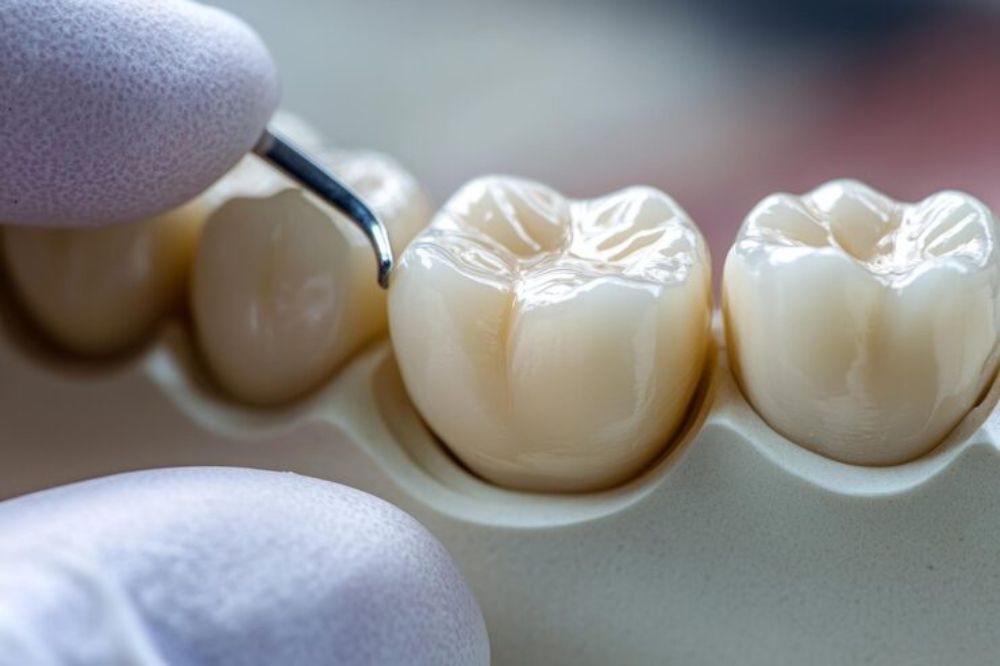


Small tooth problems, such as tiny chips, small gaps, or uneven edges, can affect your smile. Dental bonding in Port Coquitlam is a simple treatment that uses a tooth-coloured material to improve the shape and look of teeth. It is a quick option for small smile changes and helps keep most of the natural tooth structure.
Dental bonding may be a suitable choice when the goal is to make small cosmetic changes without more extensive treatment. A dental evaluation can help determine whether bonding is appropriate for the condition of the teeth and the desired results.
What Is Dental Bonding?
Dental bonding is a treatment that uses a tooth-coloured material applied directly to the tooth surface. The material is shaped to improve the tooth’s appearance and then hardened to create a secure restoration.
This treatment may help improve:
- Small chips or cracks
- Minor gaps between teeth
- Uneven tooth edges
- Slight tooth shape concerns
- Discoloured areas
Unlike some other cosmetic treatments, bonding usually requires minimal changes to the natural tooth.
When Is Dental Bonding a Good Option?
Dental bonding is a good option for small smile changes that do not need major tooth work.
It may help with:
- Fixing a small chip on a front tooth
- Improving the shape of an uneven tooth
- Closing small gaps between teeth
- Covering small stains
- Making your smile look more even
If you are looking for a dentist in Port Coquitlam, a dental checkup can help you know if bonding is the right choice for you.
How Does Dental Bonding Fix Minor Smile Concerns?
Dental bonding improves the look of a tooth by adding and shaping a tooth-coloured material.
The steps usually include:
- Choosing a colour that matches your teeth
- Preparing the tooth
- Applying the bonding material
- Shaping the material
- Hardening it
- Smoothing and polishing the tooth
The goal is to make the tooth look natural while keeping the treatment simple and comfortable.
What Smile Issues Can Dental Bonding Address?
A dental bonding near you is commonly used for small changes rather than major tooth repairs.
It can help with concerns such as:
- Small Chips: Bonding can repair small chips and improve the tooth’s shape.
- Minor Gaps: Small spaces between teeth may be reduced by carefully adding bonding material.
- Uneven Edges: Teeth with slightly different lengths or shapes may appear more balanced after bonding.
- Mild Discolouration: Bonding may improve the appearance of some stains that do not respond well to regular cleaning.
What Are the Benefits of Dental Bonding?
Dental bonding offers many benefits for people seeking small changes to their smile.
Benefits may include:
- A natural-looking smile
- Faster treatment than some other cosmetic options
- Keeping more of the natural tooth
- Fixing different small tooth problems
- A more affordable option for some smile changes
The right treatment depends on your teeth and the type of smile improvement you want.
Is Dental Bonding the Same as Veneers?
Dental bonding and veneers can both improve the appearance of teeth, but they work in different ways.
Dental bonding:
- Adds material directly to the tooth
- Usually requires less tooth preparation.
- It is commonly used for smaller corrections.
Veneers:
- Cover the front surface of the teeth.
- May be recommended for larger cosmetic changes
- Often involves a different treatment process.
A dental professional can recommend the option that best fits the smile goals and tooth condition.
What Habits Can Protect Bonded Teeth?
Good daily habits are important after dental bonding treatment.
Helpful practices include:
- Using a soft toothbrush
- Cleaning between teeth daily
- Avoiding chewing ice or hard objects
- Visiting a dentist near you for routine care
- Addressing bite concerns if they develop
These habits can help reduce unnecessary wear on the bonded areas.
When Is Dental Bonding Not the Best Choice?
Dental bonding is designed for minor improvements. It may not be the ideal option for teeth with more severe damage or more serious concerns.
Other treatments may be considered when there is:
- Extensive tooth damage
- Severe wear
- Large cavities
- Major changes are needed in tooth shape or alignment.
A proper evaluation helps determine the most suitable solution.
Improve Your Smile With Simple Cosmetic Care!
Dental bonding can be an effective option for improving small smile concerns while preserving natural tooth structure. With proper care and professional guidance, bonded teeth can support a healthier and more confident smile. Schedule an appointment today for personalized dental bonding care and smile improvement with On Track Dental.
FAQs
How long does dental bonding take?
Dental bonding is usually completed in one visit. The exact time depends on the number of teeth being treated and the amount of correction needed.
Is dental bonding painful?
Dental bonding is usually comfortable. Most people feel little or no discomfort because the treatment does not require major changes to the tooth.
Can dental bonding fix a broken tooth?
Dental bonding can help fix small chips or minor breaks. Larger damage may need other treatments.
How do I know if dental bonding is right for me?
A dentist can check your teeth and suggest if bonding is a good option based on your dental health and smile goals.