
Teeth are remarkably strong. But they are not indestructible. Over time—through decay, injury, wear, or failed restorations—a tooth can reach a point where it needs more than a simple filling can offer.
A dental crown covers the entire visible portion of the tooth, restoring its strength, shape, and function. Knowing the signs that point toward a crown helps you act before the situation gets worse.
If you are in the area, dental crowns in Port Coquitlam are available at experienced dental practice1s that can assess your tooth and guide you toward the right solution.
What Is a Dental Crown?
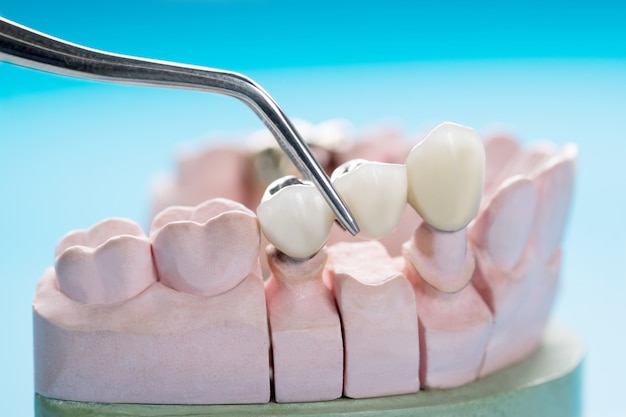
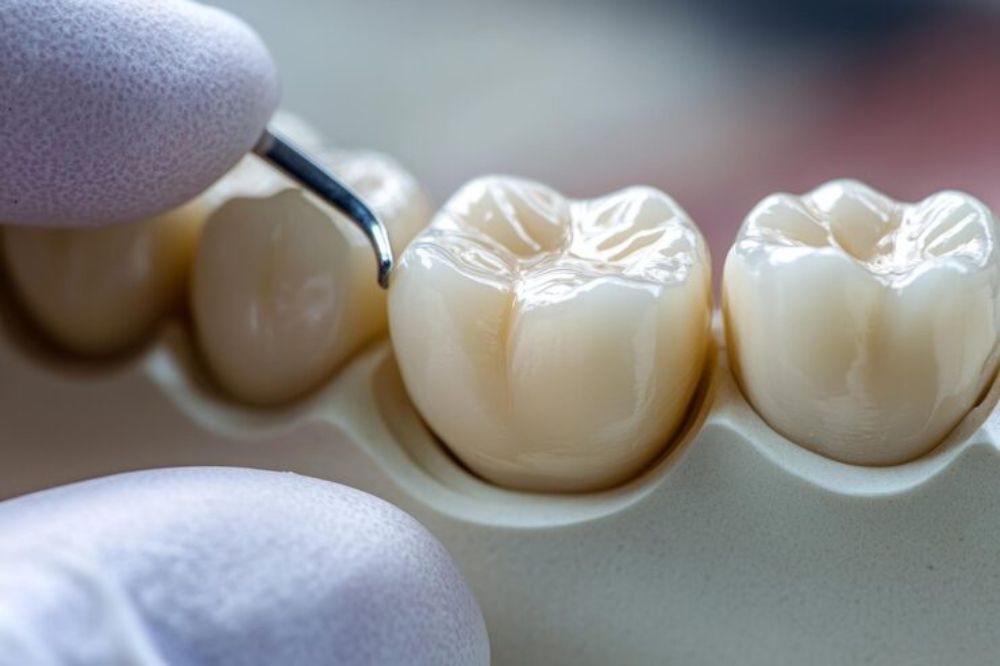
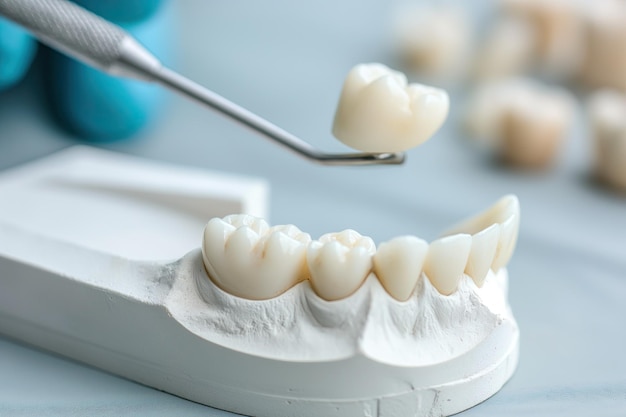
A dental crown is a custom-made cap that fits over a damaged tooth. It covers everything above the gumline and holds the tooth together while restoring its original shape and function.
Crowns are made from several materials — porcelain, zirconia, ceramic, or porcelain fused to metal — each with its own advantages depending on which tooth is being treated and how much pressure it handles.
Once a crown is placed, the tooth looks natural, functions normally, and is protected from further damage.
Signs Your Tooth May Need a Crown
A Large or Crumbling Cavity
Not every cavity needs a crown. Small to medium cavities are usually treated with a filling. But when a cavity becomes large—taking up more than half the tooth’s structure—a filling is no longer the right answer.
A filling requires healthy tooth structure around it to hold it in place. When that structure is gone, a crown becomes necessary to hold the remaining tooth together and prevent it from breaking further.
If you have been told a cavity is too large for a filling, do not delay. Waiting allows decay to spread deeper—potentially into the nerve—turning a crown situation into a root canal and crown situation.
A Cracked or Fractured Tooth
Teeth can crack from chewing hard foods, grinding, sports injuries, or simply from the stress of years of use. Some cracks are minor. Others run deep enough to threaten the entire tooth.
Signs of a significant crack include:
- Sharp pain when you bite down — then it eases
- Pain that comes and goes without an obvious cause
- Sensitivity to hot and cold that lingers
- A visible line on the tooth surface
A crown holds a cracked tooth together by wrapping around it and preventing the crack from spreading further. Without one, a crack can deepen to a point where the tooth cannot be saved at all.
A dentist near you can assess the tooth as soon as you notice these symptoms, giving it the best chance of a full recovery.
A Tooth That Has Had a Root Canal
After a root canal, the tooth is cleaned and sealed — but it becomes more brittle. The internal pulp that once nourished the tooth is gone, leaving the structure more vulnerable to fracture under everyday chewing forces.
Placing a crown after a root canal is almost always recommended. It protects the treated tooth and gives it the strength to function normally for many years.
Skipping the crown after a root canal is one of the most common reasons teeth fracture and need extraction shortly afterward—an outcome that is both painful and costly.
An Old or Broken Filling
Fillings do not last forever. Over the years, they can crack, shrink, or wear down—leaving gaps where bacteria can enter and cause new decay underneath.
When a filling breaks down significantly, there may not be enough healthy tooth structure remaining to support a new filling. At that point, a crown is the appropriate next step.
Signs your old filling may have reached this point:
- A rough or jagged feeling when you run your tongue over it
- Sensitivity that was not there before
- A piece of tooth or filling material that has broken away
- Visible darkening or decay around the edges of the filling
Getting dental crowns near you placed over these compromised teeth stops the decay cycle and restores the tooth to full function.
Severe Tooth Wear From Grinding
Teeth grinding — called bruxism — affects many adults, often during sleep. Over time, the constant pressure and friction wear down the enamel, flatten the biting surfaces, and can cause significant structural damage.
When grinding has worn teeth down to the point where function and comfort are affected, crowns may be needed to build the teeth back up to their proper height and restore a comfortable bite.
A nightguard helps prevent future grinding damage — but once the wear is significant, crowns are often the only way to restore what has been lost.
After a Tooth Injury or Trauma
A knock, fall, or impact can chip or fracture a tooth in ways that go beyond cosmetic damage. If a piece of the tooth has broken off and the remaining structure is weakened, a crown protects what is left and restores normal function.
Even if a traumatized tooth looks relatively intact, internal damage may be present. A dentist in Port Coquitlam can take X-rays and assess whether a crown is needed to prevent future complications.
Do Not Wait Until It Gets Worse
This is the most important takeaway from every sign listed above.
Dental problems rarely resolve on their own. A cracked tooth does not heal. A large cavity does not shrink. A broken filling does not reseal itself. In every case, waiting allows the situation to worsen — often to the point where saving the tooth becomes significantly more complicated and expensive.
Acting when the first signs appear almost always leads to a simpler, more affordable outcome than waiting until the problem becomes impossible to ignore.
Protect Your Tooth Before It Is Too Late — On Track Dental Is Here for You
A damaged tooth that needs a crown today may need an extraction tomorrow if the warning signs are ignored. Recognizing the signals early and acting on them is the smartest thing you can do for your long-term oral health.
Book your appointment with On Track Dental and take your first step toward maintaining your healthy smile.
Let us catch potential issues before they grow into serious concerns!
Frequently Asked Questions
Q1: When is a crown needed, and when is a filling appropriate?
Your dentist will assess the size of the cavity and the amount of healthy tooth structure remaining — Generally, if more than half the tooth is affected or the cusps are damaged, a crown provides better long-term protection than a filling.
Q2: Is getting a dental crown painful?
The procedure is performed under local anesthetic, so you should not feel pain during the appointment—mild sensitivity and soreness for a few days afterward are completely normal and will settle quickly.
Q3: How long will my dental crown last?
Given proper oral hygiene and regular dental visits, a well-placed crown will last anywhere between 10 and 25 years. The life of a dental crown also depends on the type of material used to fabricate it and how well the bone and gum tissues surrounding the crown are cared for.
Q4: Does decay grow under a crown?
Yes, where the crown meets the gum line, if not kept clean, that’s where the importance of cleaning the crown (brushing and flossing around it) and checkups comes in.